Patient portal
 Brno / Ostrava
 Bratislava / Martin



 Sep 30, 2026
Semen analysis: Preparation, procedure, results and examination cost
Find out how to prepare for a semen analysis, how the sample is collected, what the results show and when to consider having the test.


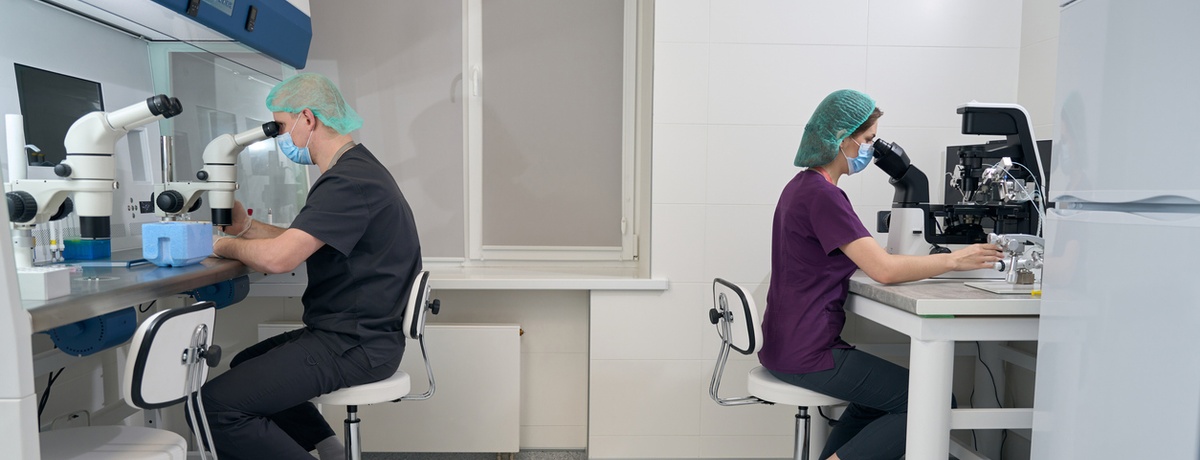
A semen analysis is a laboratory analysis of semen and is one of the basic examinations used when there are difficulties conceiving. Although in practice the woman is often examined first, male-factor infertility is very common and its diagnosis is quick and non-invasive compared with many examinations performed in women. The aim is to obtain accurate data for the next treatment plan, which directly depends on the semen analysis results.
A semen analysis is a basic examination of male fertility. It evaluates semen volume, sperm count, sperm motility and morphology. The result helps determine whether a couple can continue trying to conceive naturally, whether IUI is appropriate, or whether IVF with a laboratory method such as ICSI would be more effective.
The examination shows:
- How many sperm cells are present in the sample
- How they move
- Whether they have the correct shape
- Whether the other parameters are sufficient for natural conception
The semen analysis result can significantly influence decisions about the next steps, meaning either further semen diagnostics, a decision to proceed with IUI / IVF, or IVF using the ICSI method. With ICSI, the embryologist selects one sperm cell and injects it directly into the egg using a microneedle. In conventional IVF, the eggs are placed in a laboratory dish together with the sperm and the sperm cell must penetrate the egg on its own. The abilities and characteristics of the sperm, such as shape and motility, are therefore decisive for the next steps toward a treatment plan and the desired baby.
How to prepare for a semen analysis
Preparation for a semen analysis has two aspects: short-term preparation during the few days before sample collection and a longer-term lifestyle approach that may support sperm quality over several weeks to months. Sperm development takes approximately 2–3 months, so lifestyle changes usually do not show an immediate effect, but only after some time.
Several months before a semen analysis: what can support sperm quality
If a man is planning a semen analysis, IVF treatment, or sperm collection for assisted reproduction, it makes sense to start making lifestyle adjustments ideally 2–3 months in advance.
Sperm quality can be influenced to some extent by lifestyle, diet and sleep, as well as by reducing alcohol consumption, smoking and overheating of the testicles. However, not all causes of an abnormal semen analysis can be influenced by lifestyle — genetic factors, hormonal disorders, varicocele, inflammation or other medical causes may also play a role.
For causes that can be influenced, it is particularly important not to smoke, to limit alcohol, maintain an appropriate body weight through a suitable diet and physical activity, sleep regularly, and avoid overheating the testicles.
Sperm quality may be negatively affected by saunas, hot baths, frequent use of a laptop on the lap, very tight underwear, anabolic steroids, recreational drugs or prolonged severe stress.
With a low sperm count, it is also recommended to reduce alcohol consumption and limit exposure to chemicals such as pesticides, solvents or heavy metals. This is particularly relevant to work in manufacturing environments.
From a dietary perspective, it is advisable to focus on a varied diet with sufficient protein, vegetables, fruit, wholegrain foods, legumes, fish, nuts, seeds and high-quality fats. Healthy dietary patterns are associated in the medical literature with better sperm parameters and a lower risk of semen-analysis abnormalities.
What to eat to support sperm production
For sperm production, the most important nutrients are those involved in cell division, hormonal balance and protection of cells against oxidative stress. In practical terms, this means including:
- zinc: seafood, beef, eggs, pumpkin seeds, legumes
- selenium: Brazil nuts, fish, eggs, wholegrain cereals
- folic acid: leafy vegetables, broccoli, legumes, avocado
- vitamin C and other antioxidants: citrus fruits, berries, peppers, kiwi, vegetables
- vitamin D: fish, eggs, dairy products, or supplementation if levels are low
- omega-3 fatty acids: oily sea fish, flax and chia seeds, walnuts
- protein: eggs, fish, poultry, lean meat, dairy products, legumes
Which dietary supplements may make sense
Men who want to support their semen-analysis parameters often use supplements aimed at male fertility. They most commonly contain a combination of antioxidants and micronutrients such as zinc, selenium, folic acid, vitamin C, vitamin E, vitamin D, omega-3, coenzyme Q10 or L-carnitine.
Supplements should not replace medical examination. If the semen analysis is significantly abnormal, it is important to address the underlying cause — for example varicocele, a hormonal disorder, inflammation, infection, the consequences of fever, medication use or genetic factors. Supplements are a supportive step, not a treatment for all causes of male infertility.
It is also advisable not to exceed the recommended dosage, especially for selenium, vitamin D, zinc and vitamin E. If higher doses are used long term or several products are taken at the same time, it is better to consult a doctor or the clinic.
Several days before a semen analysis: what to follow before sample collection
Immediately before a semen analysis, the most important requirement is to observe the recommended period of sexual abstinence. According to WHO (World Health Organization) methodology, an abstinence period of 1–3 days is commonly used for semen examination, the sample is usually obtained by masturbation, and laboratory processing should take place within a short time after collection.
How the sample is collected
Sample collection for a semen analysis is a short and discreet examination. It usually takes place directly at the clinic in a private collection room so that the sample can be transferred to the laboratory as quickly as possible and examined under standardised conditions.
The semen sample is usually obtained by masturbation into a sterile container provided to the patient at the clinic. The entire sample should be collected because the first part of the ejaculate in particular contains a high concentration of sperm. If part of the sample is not collected, the laboratory must be informed so that the result can be interpreted correctly.
After collection, the sample is transferred to the andrology laboratory, where the basic sperm parameters are evaluated. The laboratory primarily assesses ejaculate volume, sperm concentration, total sperm count, motility, morphology, vitality and, where appropriate, other indicators depending on the type of examination.
If sample collection is psychologically uncomfortable or stressful for the man, it is advisable to tell the clinic in advance. The staff are accustomed to these situations and can explain the procedure, provide discreet conditions or recommend a suitable solution.
In some cases, it may be possible to arrange sample collection outside the clinic, for example at home. However, this procedure must be approved in advance because the sample needs to be delivered to the laboratory in time, at an appropriate temperature and without deterioration. It is therefore always best to follow the specific instructions of the clinic.
What is evaluated in the results
A basic semen analysis evaluates ejaculate volume, sperm concentration, total sperm count, motility, morphology and other laboratory parameters. However, a single number never describes overall fertility. It is important to consider whether the parameters are confirmed repeatedly, how long the couple has been trying, the woman’s age, ovulation, fallopian-tube patency and ovarian reserve.
The values shown are indicative. A borderline or abnormal result does not automatically mean a permanent problem because semen-analysis parameters can be temporarily affected by fever, infection, stress, alcohol, smoking, overheating of the testicles, some medicines or a major change in lifestyle. If the result is not optimal, the doctor may recommend a repeat semen analysis after an interval. The specific finding should always be discussed directly with the clinic.
Semen analysis parameters
Ejaculate volume
What the value means: Amount of semen obtained during collection. A low volume may be associated, for example, with incomplete collection, a short abstinence period, a disorder of the seminal ducts or inflammation.
Indicative lower reference value*: 1.4 ml or more
Sperm concentration
What the value means: Number of sperm cells in 1 ml of semen. It shows how “dense” the sample is in terms of sperm quantity.
Indicative lower reference value*: 16 million/ml or more
Total sperm count
What the value means: Total number of sperm cells in the entire ejaculate. It is often more practical than concentration alone because it also takes sample volume into account.
Indicative lower reference value*: 39 million or more
Total motility
What the value means: Proportion of sperm cells that move in some way.
Indicative lower reference value*: 42% or more
Progressive motility
What the value means: Proportion of sperm cells that move forward. This parameter is important because sperm need to move toward the egg.
Indicative lower reference value*: 30% or more
Sperm morphology
What the value means: Proportion of sperm cells with a normal head, midpiece and tail shape. A value of 4% may appear low, but under strict criteria it is a common lower limit.
Indicative lower reference value*: 4% or more
Sperm vitality
What the value means: Proportion of live sperm cells in the sample. It is assessed mainly when motility is low.
Indicative lower reference value*: 54% or more
Semen pH
What the value means: Shows the acidity or alkalinity of the ejaculate. Deviations may indicate a problem with the accessory glands or seminal ducts.
Indicative lower reference value*: Usually 7.2 or more
Leukocytes
What the value means: White blood cells in semen. A higher value may be a sign of inflammation or infection.
Indicative lower reference value*: Usually less than 1 million/ml
* The indicative lower reference values are recommendations, and each laboratory may adjust a parameter on the basis of its own measurements and validation.
Data source: World Health Organization (WHO).
When further examination may be needed
If the semen analysis is repeatedly abnormal, additional andrological or urological examination, a hormonal profile, genetic testing, ejaculate culture or sperm DNA fragmentation testing may be added. The scope of diagnostics is selected according to the specific finding. The approach differs for a lower sperm concentration, low motility, or suspected inflammation or a genetic factor. Learn more about semen analysis and follow-up tests on our male fertility assessment page.
Semen analysis and cost
The cost of a semen analysis is important for the patient, but what follows from the result is even more important. The examination has the greatest value when it is interpreted in the context of the couple’s complete fertility diagnostics. Results consisting only of numerical values can be confusing; what matters is an explanation of the results and a clear recommendation for the next step.
At Reprofit, a semen analysis can be linked with a comprehensive fertility assessment of the couple, consultation on treatment options and, where appropriate, an IVF plan. Please contact us for the exact price of a semen analysis.
When to make an appointment
It makes sense to arrange an examination if pregnancy has not occurred after more than one year of trying, if the female partner is over 35 years of age, or earlier if there is a known health problem. An earlier semen analysis is also appropriate after testicular surgery, previous inflammation, cancer treatment, erectile or ejaculatory disorders, or if the man is taking medication that may affect fertility.
FAQ
How long does it take to receive semen-analysis results?
Usually several working days; ask about the exact timing when the sample is collected for the semen analysis.
Can an abnormal semen analysis be only temporary?
Yes. The parameters can be worsened by fever, infection, stress, alcohol, smoking, some medicines or overheating of the testicles.
When is a semen analysis repeated?
If the finding is abnormal or borderline, a repeat examination after an interval is often recommended because sperm production occurs in cycles.
What if the semen analysis result is abnormal?
The doctor may recommend further examinations and, depending on the finding, suggest IUI, IVF, ICSI or another solution.
You might also be interested in



Egg donation: Am I a suitable donor? What are the conditions and possible risks